


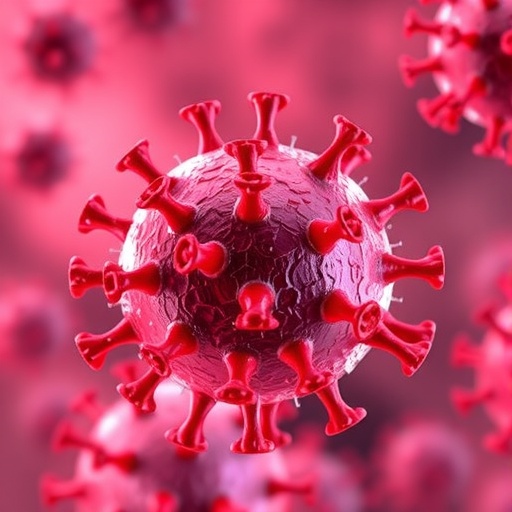
Recent advancements in hepatology have underscored the significance of understanding hepatitis B virus (HBV) and its variants in relation to liver cancer, particularly in what is referred to as gray zone patients. In a comprehensive study led by Teng et al., researchers have delved into the intricate mechanisms by which single-nucleotide variants (SNVs) of HBV influence the development of hepatocellular carcinoma (HCC). This piece highlights the urgent need to elucidate the interactions between viral genetics and antiviral therapy in this unique patient cohort.
The research draws attention to the alarming rates of liver cancer associated with HBV, which is a leading cause of morbidity and mortality worldwide. Hepatocellular carcinoma, the predominant form of liver cancer, often occurs in patients who have chronic HBV infections. Traditional treatment regimens have included antiviral medications, which aim to suppress viral load and thereby lessen the risk of cirrhosis and liver cancer. However, the impact of specific viral variants on treatment outcomes has remained inadequately explored.
In the framework of this study, the authors concentrated on gray zone patients, those who present with intermediate or indeterminate liver disease parameters. These patients represent a complex clinical challenge; their disease state often does not fit neatly into standard treatment categories. The team’s focus on this group was strategic, as understanding their unique pathophysiology could provide critical insights into managing HBV-associated liver cancer more effectively.
The methodology utilized in this research involved sequencing the HBV genomes of various patient samples. By identifying and analyzing single-nucleotide variants, the researchers could pinpoint specific mutations that might be driving the oncogenic potential of the virus. Such a targeted approach is vital for developing personalized medicine strategies that consider the genetic makeup of both the virus and the host environment.
Further, the findings revealed a subset of SNVs that were significantly associated with a heightened risk of developing HCC. The detection of these variants presents a promising avenue for early intervention; by identifying individuals at greater risk due to their viral genetics, clinicians can tailor surveillance and treatment protocols accordingly. This proactive approach may ultimately lead to enhanced patient outcomes.
The interaction between these variants and antiviral therapy was another core aspect of the study. It was observed that certain SNVs conferred resistance to standard antiviral treatments, complicating the management of chronic HBV. This resistance poses a significant barrier to achieving optimal viral suppression, which is crucial for lowering the risk of HCC development. Understanding these dynamics is essential for refining treatment strategies and developing alternative therapies that can mitigate resistance patterns.
Moreover, the presence of specific variants was shown to alter the immune response in patients. The complex interplay between viral mutations and host immunity indicates a significant area of exploration for researchers. By characterizing how various SNVs influence immune surveillance, researchers can identify new targets for immunotherapy, providing a potential adjunct to conventional antiviral treatments.
Additionally, the study emphasizes the importance of genomic surveillance in guiding public health policies. With the emergence of resistant strains, routine monitoring of HBV variants can inform vaccination strategies and public health interventions. It raises an interesting question about the future of HBV vaccination programs and the need to consider variant prevalence in vaccine design.
From a clinical perspective, the implications of this research are far-reaching. It calls for a paradigm shift in how healthcare providers approach the management of gray zone patients with HBV. By integrating genetic testing into standard care practices, physicians can better stratify patients based on their risk profiles and tailor therapies that are more effective.
Furthermore, these findings prompt a reevaluation of existing treatment guidelines. Regulatory bodies and medical organizations may need to incorporate HBV variant analysis into their recommendations for managing patients with chronic HBV infection. This can potentially lead to improved outcomes and reduce the incidence of liver cancer associated with the virus.
In conclusion, Teng et al.’s study offers critical insights into the complex relationship between HBV variants and liver cancer in gray zone patients. As we enhance our understanding of these dynamics, the healthcare community can work towards more effective prevention and treatment strategies. Ultimately, this research lays the groundwork for future inquiries that may unravel additional layers of complexity in HBV-related liver disease.
By focusing on the genetic underpinnings of HBV, this research contributes to the broader field of precision medicine, emphasizing the importance of individualized care tailored to the unique genetic landscape of each patient. The potential for breakthroughs in therapeutics and diagnostic tools grounded in these findings presents an optimistic view for both healthcare providers and patients alike.
As further studies are conducted to validate these findings and explore new avenues of research, the hope is that a clearer understanding of HBV’s molecular biology can lead to innovative strategies that transform the prognosis for patients plagued by the complexities of liver disease.
Lastly, the engagement of the scientific community in addressing the nuances presented by this research will undoubtedly catalyze discussions and initiatives aimed at combating liver cancer on a global scale.
Cite Scienmag News
Kristina Jarvis. (December 1, 2025). Single-Nucleotide Variants and Antivirals: Liver Cancer Risks. Scienmag. https://scienmag.com/single-nucleotide-variants-and-antivirals-liver-cancer-risks/
Kristina Jarvis. "Single-Nucleotide Variants and Antivirals: Liver Cancer Risks." Scienmag, 1 December 2025, https://scienmag.com/single-nucleotide-variants-and-antivirals-liver-cancer-risks/. Accessed 4 September 2026.
Kristina Jarvis. "Single-Nucleotide Variants and Antivirals: Liver Cancer Risks." Scienmag. December 1, 2025. https://scienmag.com/single-nucleotide-variants-and-antivirals-liver-cancer-risks/


