


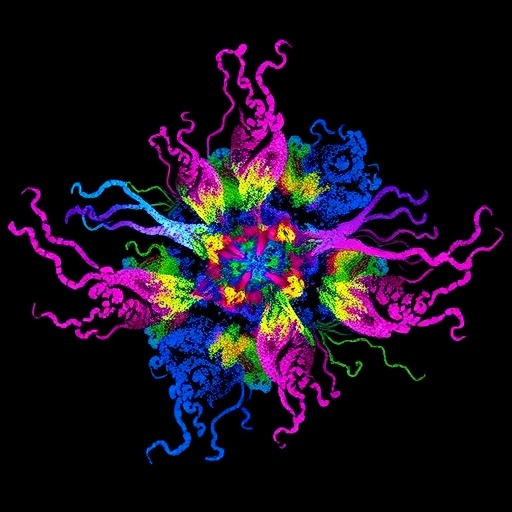
In the ongoing quest to understand the complexities of ovarian cancer, a groundbreaking study co-authored by Pokorna, Orlickova, Machackova, and their team sheds light on the genomic intricacies and evolutionary pathways of high-grade serous ovarian cancer (HGSOC). This study emerges in the context of an increasing demand for precision oncology, as the effectiveness of standard treatments, such as platinum-based chemotherapy, is often inconsistent. The research highlights the necessity for a deeper exploration into the genetic framework that underpins HGSOC, which is notoriously aggressive and poorly understood.
At the forefront of this study is the examination of how HGSOC evolves in response to treatment. One of the most significant findings indicates that genomic alterations are not merely a consequence of the disease but reflect a dynamic response to therapeutic pressures. This evolution underlines a crucial paradigm shift in how we view cancer development; it is no longer a linear progression but rather a complex interplay of genetic variations that can give rise to treatment-resistant clones. This knowledge can direct future therapeutic strategies that are more adaptive to the specific genetic profiles of tumors.
The researchers utilized advanced genomic technologies to analyze tumor samples from patients undergoing platinum-based chemotherapy. Their methods included whole-genome sequencing and bioinformatic analyses, which provided a comprehensive view of the genomic landscape. This approach revealed an array of mutational signatures that were previously obscured, showcasing the extensive heterogeneity present within and between tumors. The implications of these findings could be enormous, as they suggest that targeting polyclonal tumor populations rather than a singular genetic clone might improve treatment responses.
Another integral aspect of the research is the investigation of the role that BRCA1 and BRCA2 mutations play in treatment outcomes. While these genes are well-known for their association with hereditary breast and ovarian cancer, their relationship with HGSOC has prompted a reevaluation of their utility in guiding therapy choices. The study posits that the presence of BRCA mutations may not be the sole determinants of chemosensitivity, and other genomic factors could also contribute significantly to patient responses. Expanding our focus beyond BRCA1 and BRCA2 to include a broader spectrum of genetic variations could lead to more personalized treatment plans that are tailored to individual tumor profiles.
The research further emphasizes the importance of monitoring tumor evolution throughout the treatment process. Traditional biopsy methods can fail to capture the full picture due to tumor heterogeneity; however, liquid biopsy technologies and circulating tumor DNA (ctDNA) analyses are emerging as game-changers in this field. By regularly screening for genomic alterations in the bloodstream, clinicians can adapt their treatment strategies in real-time, potentially improving patient outcomes significantly. The dynamic nature of tumor evolution underscores the necessity of incorporating such methodologies into standard clinical practices.
In addition to identifying key genetic alterations, the research team also sought to understand the biological implications of these changes. The study’s findings reveal that some genomic variations are linked to pathways that confer resistance to chemotherapy, while others may activate pro-survival mechanisms. This nuanced understanding of cellular responses to platinum-based agents highlights the essential need for combinatorial therapies that address multiple pathways simultaneously. By leveraging detailed genomic insights, oncologists can design innovative therapeutic regimens that may thwart resistance and enhance the efficacy of existing treatments.
Moreover, these findings are paving the way for the integration of precision oncology into routine cancer care. As the medical community moves toward a more individualized approach to treatment, the work of Pokorna et al. provides a compelling blueprint for future research initiatives. As the landscape of cancer treatment continues to evolve, the insights gleaned from this study are poised to influence the development of new therapeutics, biomarkers, and prognostic models tailored to women affected by high-grade serous ovarian cancer.
Looking ahead, there is an urgent need for large-scale, multi-institutional studies to validate these initial findings and to further dissect the complex interactions within the tumor microenvironment. Harnessing bioinformatics tools and collaborative frameworks will be vital in catalyzing advancements in our understanding of HGSOC. As researchers and clinicians unite their efforts, the ultimate goal remains clear: to deliver precise, effective treatments that improve the survival and quality of life for women facing this challenging diagnosis.
The implications of this research extend beyond just HGSOC as it opens the door for other areas within oncology. The findings could inform treatment protocols for various malignancies, especially those known for their treatment resistance. The prospect of identifying common genomic traits across different types of cancers could significantly enhance our understanding and treatment approaches in oncology as a whole.
In conclusion, the study by Pokorna and colleagues signifies a pivotal advancement in our understanding of high-grade serous ovarian cancer. By elucidating the genomic complexity and evolutionary nature of this aggressive disease, they provide critical insights that may cast a new light on treatment paradigms and pave the way for more nuanced and effective therapies. As we continue to unravel the intricate web of cancer genetics, there is an unmistakable hope that a future of tailored, highly effective cancer treatments is on the horizon, fulfilling the promise of precision oncology.
The exploration of HGSOC’s genomic landscape underlines a pressing need for ongoing research and innovation. Continued inquiry will inform new strategies that could revolutionize how clinicians approach treatment, ultimately striving towards the goal of improved outcomes for patients battling this formidable disease. With embrace of advanced genomic tools and a commitment to understanding the complexities of cancer evolution, the path forward is one of promise and potential.
Pokorna, P., Orlickova, J., Machackova, T. et al. Genomic complexity and evolution of high-grade serous ovarian cancer treated with platinum-based chemotherapy: advancing precision oncology beyond BRCA1/BRCA2.
J Ovarian Res (2025). https://doi.org/10.1186/s13048-025-01911-z
Cite Scienmag News
Nathaniel Bowman. (November 29, 2025). Beyond BRCA: Decoding High-Grade Serous Ovarian Cancer. Scienmag. https://scienmag.com/beyond-brca-decoding-high-grade-serous-ovarian-cancer/
Nathaniel Bowman. "Beyond BRCA: Decoding High-Grade Serous Ovarian Cancer." Scienmag, 29 November 2025, https://scienmag.com/beyond-brca-decoding-high-grade-serous-ovarian-cancer/. Accessed 4 September 2026.
Nathaniel Bowman. "Beyond BRCA: Decoding High-Grade Serous Ovarian Cancer." Scienmag. November 29, 2025. https://scienmag.com/beyond-brca-decoding-high-grade-serous-ovarian-cancer/


