


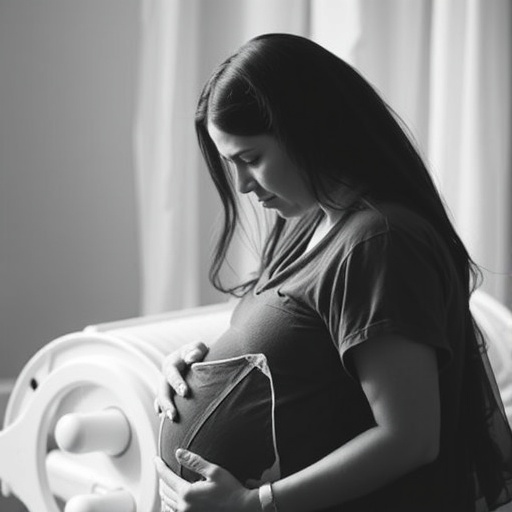
Recent research highlights a critical intersection between motherhood, mental health, and physiological well-being, specifically focusing on the implications of anemia in postpartum women. This pioneering study investigates how anemia—an often-overlooked condition characterized by a deficiency in red blood cells—can significantly influence both psychological outcomes and broader pregnancy results. Understanding this relationship is crucial, especially given the growing awareness of mental health issues that women face during the postpartum period.
Anemia affects millions worldwide, especially in the context of pregnancy and postpartum recovery. Women frequently experience heightened vulnerability to this condition due to the physiological demands placed on their bodies during pregnancy. The study conducted by Barat et al. reveals that inadequate screening and treatment of anemia in pregnant and postpartum women may lead to undesirable outcomes, not merely physically but also mentally, exacerbating conditions such as anxiety and depression. This underscores the need for greater awareness and routine screening of anemia as a part of comprehensive maternal healthcare.
Within the parameters of the study, the researchers dissect the data collected from postpartum women, focusing on their hemoglobin levels, mental health assessments, and reported pregnancy outcomes. They found a concerning correlation between low hemoglobin levels and an increase in symptoms associated with anxiety and depression. This finding is significant because it indicates that healthcare providers should pay close attention to blood health as a potential factor influencing mental well-being in postpartum care.
The psychological effects of anemia can be profound, often manifesting as fatigue, mood swings, and an overall sense of inadequacy, which can further impair a woman’s ability to bond with her newborn. The authors explain that the emotional weight of postpartum anxiety and depression cannot be understated. This psychological distress often complicates the mother’s ability to fulfill her new role, leading to a cycle that adversely affects both her health and that of her baby. In this light, addressing anemia is not just a matter of physical health; it is integral to ensuring psychological support for new mothers.
In addition, the study outlines how various socio-economic factors contribute to the prevalence of anemia among postpartum women. Factors such as inadequate access to nutrition, healthcare, and education about dietary needs can exacerbate iron deficiencies. The authors argue that some demographics are disproportionately affected by this issue, suggesting that more targeted public health initiatives could help mitigate the risks associated with anemia in these vulnerable populations.
Anemia does not merely affect mothers; its implications stretch to infant health and developmental outcomes as well. Infants born to anemic mothers are exposed to additional risks, including lower birth weight and increased susceptibility to infections. The study explores these connections, emphasizing the necessity for a more integrated approach to maternal-fetal health that acknowledges the impact of maternal anemia on the next generation. This is a vital area of exploration, considering long-term outcomes for children whose mothers experienced significant health challenges during pregnancy.
Detecting anemia is relatively straightforward with proper screening techniques. However, the researchers emphasize that many healthcare providers may not routinely check for this condition during postpartum visits. The findings suggest that they should implement regular screenings for anemia in the postpartum period, similarly to how they would screen for mental health concerns. A multifaceted approach to maternal health that prioritizes both physical and psychological diagnostics may ultimately enhance care delivery and patient outcomes.
Addressing anemia not only requires healthcare interventions but also a collective cultural shift towards appreciating women’s health needs during and after pregnancy. This involves a concerted effort from policymakers, healthcare professionals, and communities to foster environments that support women’s health. Educational programs that inform both healthcare providers and expectant mothers about the symptoms and effects of anemia can empower women to advocate for their health more effectively.
Furthermore, therapeutic interventions should not be limited to pharmacological solutions. Nutrition-focused strategies, such as improved dietary intake of iron-rich foods and supplementation where necessary, provide additional layers of treatment that are essential in managing anemia. The researchers highlight the importance of conducting larger studies that further assess the effectiveness of these interventions in diverse populations.
In conclusion, the research conducted by Barat et al. sheds light on the complex intertwining of physiological conditions like anemia with mental health outcomes in postpartum women. It calls for enhanced educational initiatives, better screening practices, and tailored healthcare approaches that hear and address the unique needs of mothers in the postpartum phase. By doing so, we can significantly improve not only maternal health but also the health and well-being of future generations.
As we navigate forward, this study stands as a wake-up call to the medical community and society at large: ensuring the health of mothers postpartum must encompass a holistic understanding of their physical and psychological needs, particularly in the realm of preventable conditions like anemia.
Barat, S., Pahlavani, F., Khafri, S. et al. Association of anemia with postpartum anxiety, depression, and pregnancy outcomes. Discov Psychol 5, 175 (2025). https://doi.org/10.1007/s44202-025-00520-7
Cite Scienmag News
Glenn Wilkins. (November 29, 2025). Anemia Linked to Postpartum Mental Health and Outcomes. Scienmag. https://scienmag.com/anemia-linked-to-postpartum-mental-health-and-outcomes/
Glenn Wilkins. "Anemia Linked to Postpartum Mental Health and Outcomes." Scienmag, 29 November 2025, https://scienmag.com/anemia-linked-to-postpartum-mental-health-and-outcomes/. Accessed 3 September 2026.
Glenn Wilkins. "Anemia Linked to Postpartum Mental Health and Outcomes." Scienmag. November 29, 2025. https://scienmag.com/anemia-linked-to-postpartum-mental-health-and-outcomes/


