


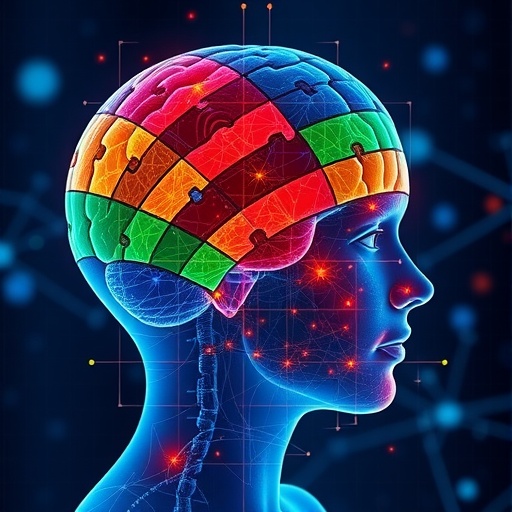
In recent years, the intersection of artificial intelligence and neurodevelopmental disorders has become a rapidly evolving frontier in medical research. Of particular interest is Autism Spectrum Disorder (ASD), a highly heterogeneous condition marked by a broad spectrum of behavioral and cognitive symptoms. Traditional diagnostic methods, reliant on subjective clinical evaluations and parental reports, often result in delayed or inaccurate diagnoses. However, the burgeoning field of machine learning (ML) promises to revolutionize the landscape of ASD assessment and management, offering unprecedented precision and practicality in understanding this multifaceted disorder.
Machine learning, a subset of artificial intelligence, involves the development of algorithms that improve automatically through experience and data. When applied to ASD, ML algorithms analyze vast and diverse datasets—ranging from genetic information to neuroimaging and behavioral patterns—to identify subtle biomarkers and phenotypic signatures that elude conventional analysis. This approach holds the promise of not only enhancing early detection but also providing fine-grained phenotypic stratification, enabling personalized therapeutic interventions tailored to individual patients’ profiles.
Early screening of ASD remains a critical challenge. The complexity of ASD’s clinical presentation and the overlapping features with other neurodevelopmental conditions often complicate diagnosis within the so-called “golden period” of early childhood. Recent studies employing ML techniques have leveraged data obtained from infant eye-tracking, social interaction metrics, and even natural language processing of vocalizations to develop predictive models capable of spotting ASD risk before overt clinical symptoms manifest. These prediction algorithms boast higher sensitivity and specificity than traditional screening tools, suggesting a future where ASD diagnosis could be dramatically expedited.
In parallel, advances in phenotypic stratification of ASD facilitate the categorization of affected individuals into subgroups based on clinical and biological features. Machine learning excels at detecting patterns in high-dimensional data, enabling researchers to unravel the complex heterogeneity of ASD. This stratification is critical not only for understanding pathophysiological mechanisms but also for tailoring interventions according to specific symptom clusters or etiological pathways, embodying a shift towards precision medicine in autism care.
Biomarkers, objective measures that indicate a biological state or condition, represent another promising avenue wherein ML plays a pivotal role. Researchers have employed algorithms to analyze multi-omics data—including genomics, proteomics, and metabolomics—to discover novel diagnostic markers that differentiate ASD from typical development or other disorders. These biomarkers may elucidate underlying pathophysiology, aid early diagnosis, and monitor treatment efficacy, advancing beyond purely behavioral assessments towards biologically grounded diagnostics.
Neuroimaging technologies, such as functional magnetic resonance imaging (fMRI), diffusion tensor imaging (DTI), and electroencephalogram (EEG), generate complex datasets rich with subtle neural signatures pertinent to ASD. Machine learning models apply sophisticated pattern recognition and classification techniques to these datasets, extracting meaningful information about atypical brain connectivity, network dynamics, and regional activity differences in ASD individuals. Such analyses potentially facilitate non-invasive diagnostic tools and reveal novel targets for therapeutic intervention.
The emergence of personalized therapies driven by insights derived from ML presents a transformative shift in clinical management. By integrating multidimensional data—behavioral, biological, and neural—algorithmic models predict individual responses to therapeutic modalities. This capability fosters the development of customizable treatment plans, enhancing efficacy and minimizing adverse effects. For instance, ML-led stratification can identify those more likely to benefit from behavioral interventions versus pharmacologic approaches, optimizing outcomes.
Moreover, automation and robotics hold immense promise in ASD treatment frameworks. Socially assistive robots, guided by artificial intelligence, can engage individuals with ASD in therapeutic interactions tailored to their unique communication and sensory profiles. These systems not only facilitate skill acquisition in social reciprocity and emotional recognition but also gather real-time data for continuous, adaptive therapy adjustments. Machine learning algorithms enable these robots to learn from patient responses, refining their interactions dynamically and supporting scalable intervention models.
Despite these exciting advancements, numerous challenges temper the widespread clinical deployment of ML in ASD management. Issues such as data heterogeneity, limited sample sizes, algorithmic bias, and ethical concerns around data privacy and informed consent persist. Moreover, the black-box nature of many ML models complicates interpretability, making clinicians wary of relying on opaque decision-making frameworks. Addressing these obstacles necessitates multidisciplinary collaborations and robust validation studies to ensure reliability and generalizability across diverse populations.
Importantly, the integration of ML in ASD research and clinical practice underscores the growing recognition that interdisciplinary convergence is essential to tackle complex neurodevelopmental disorders. Neuroscientists, clinicians, data scientists, and engineers must synergize their expertise to refine algorithms, curate high-quality datasets, and translate computational insights into actionable clinical tools. This harmonization is pivotal to transforming promise into practice and realizing ML’s potential to reshape the ASD care continuum.
As this frontier progresses, the balance between technological sophistication and human-centered care remains paramount. Machine learning tools should augment, not supplant, clinical judgment, preserving patient autonomy and the nuanced understanding that clinicians provide. Ethical frameworks guiding AI application must prioritize transparency, fairness, and inclusivity to prevent exacerbating health disparities or stigmatization associated with ASD diagnosis and management.
Looking forward, the continual evolution of machine learning methodologies, encompassing deep learning and explainable AI, will likely enhance the sensitivity, specificity, and interpretability of ASD-related models. Coupled with the proliferation of wearable sensors, mobile health applications, and digital phenotyping, these advances promise real-time, continuous monitoring of ASD individuals in naturalistic environments. Such integrative approaches hold the potential to shift paradigms from episodic assessment towards proactive, personalized health trajectories.
Collectively, machine learning represents a transformative, albeit nascent, force in advancing autism spectrum disorder assessment and management. While significant hurdles remain, the alignment of algorithmic innovation with clinical insight heralds a future in which early detection, nuanced phenotyping, biomarker identification, neuroimaging interpretation, personalized therapeutics, and robotic-assisted interventions are seamlessly integrated. This convergence has the potential to fundamentally improve the lives of individuals with ASD and their families by offering timely, precise, and compassionate care.
In sum, the role of machine learning in ASD encapsulates a dynamic interplay between computational power and human complexity. Research to date illuminates substantial opportunities yet also underscores the imperative of rigorous validation, ethical stewardship, and multidisciplinary collaboration. As these efforts mature, the vision of transforming ASD management through intelligent, data-driven approaches moves closer to reality, promising to unlock new dimensions of understanding and therapeutic potential for one of the most challenging neurodevelopmental disorders of our time.
Cite Scienmag News
Blake Davidson. (November 15, 2025). Machine Learning Revolutionizes Autism Assessment and Care. Scienmag. https://scienmag.com/machine-learning-revolutionizes-autism-assessment-and-care/
Blake Davidson. "Machine Learning Revolutionizes Autism Assessment and Care." Scienmag, 15 November 2025, https://scienmag.com/machine-learning-revolutionizes-autism-assessment-and-care/. Accessed 1 September 2026.
Blake Davidson. "Machine Learning Revolutionizes Autism Assessment and Care." Scienmag. November 15, 2025. https://scienmag.com/machine-learning-revolutionizes-autism-assessment-and-care/


