


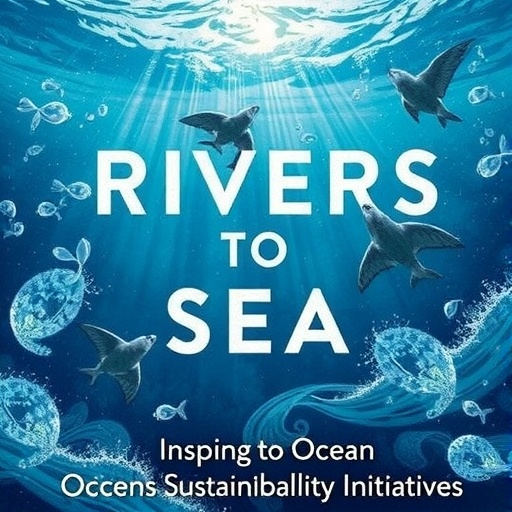
In an age where environmental concerns have reached critical levels, the discourse surrounding ocean conservation and sustainable practices is becoming more pertinent. The latest investigation led by Ahmed Moolna presents innovative insights into how oceanic ecosystems can inspire a sustainable future, particularly through the lens of rivers and seas engagement. With the establishment of a proposed UN Ocean Agency, the dialogue surrounding these issues gains a nuanced and proactive dimension. Moolna’s research delves deep into the interconnectivity of water bodies and their significant impact on both ecological systems and human existence.
From vast oceans brimming with biodiversity to the humble rivers flowing into them, this research emphasizes the vital role these water bodies play in maintaining ecological balance. Rivers are not mere conduits for freshwater but are crucial in transporting nutrients, sediment, and organisms that sustain marine life. The paper argues that effective management of river systems can significantly impact the health of surrounding oceans. This underlines the necessity for integrated approaches in the conservation of our water resources, urging stakeholders to view rivers and seas as a continuum rather than isolated entities.
Moreover, the research highlights the importance of community engagement in these conservation efforts. The voices of local populations, often the most affected by degradation of water bodies, are invaluable in crafting sustainable practices. This aspect becomes increasingly relevant in discussions surrounding environmental justice, as those living near water bodies often face severe consequences of pollution and mismanagement. Moolna posits that an inclusive approach may not only empower communities but also lead to more sustainable outcomes as diverse stakeholders contribute to the dialogue.
The proposed establishment of a UN Ocean Agency is another focal point of Moolna’s research. This new body would aim to harmonize international efforts to protect oceanic environments. The need for such an agency is underscored by the complex web of treaties and organizations that currently exist, often resulting in fragmented approaches to ocean governance. A centralized body could streamline efforts, enhancing collaboration across nations to tackle issues such as overfishing, habitat destruction, and climate change.
As the paper unfolds, Moolna provides a thorough analysis of the various policies and frameworks currently in place aimed at marine conservation. However, he notes that the effectiveness of these policies is often hindered by a lack of cohesive strategies. This fragmentation can lead to significant gaps in conservation efforts, wherein some areas receive ample protection while others are left vulnerable. By advocating for the creation of a UN Ocean Agency, this research emphasizes the potential for comprehensive policy-making that could address the myriad challenges facing our oceans more effectively.
In examining case studies from around the globe, Moolna illustrates the intricate relationships between river systems and ocean health. Observations reveal that increased pollutant runoff from rivers—stemming from agricultural and industrial activities—directly impacts the oceanic ecosystems these rivers feed into. This relationship highlights the urgency of addressing land-based activities that compromise the integrity of our waters. Moolna’s research presents compelling evidence supporting the notion that protecting rivers is equally crucial for safeguarding ocean health.
Furthermore, a significant portion of the paper discusses innovative technologies and practices that can enhance our understanding and management of water bodies. From satellite monitoring of ocean ecosystems to community-driven initiatives aimed at river clean-ups, the exploration of technological advancements provides a fresh perspective on conservation. Such innovations could bridge the gap between traditional conservation methods and modern technological applications, offering new pathways to tackle long-standing environmental challenges.
Moolna’s conclusions urge for a systemic change in how oceans and rivers are viewed and managed. The interdependency of these vital ecosystems calls for a shift toward more holistic management strategies that recognize their essential linkages. Advocating for integrated river-sea management, the research underscores the necessity for collaborative policy frameworks that embrace the complexity of these environments.
In the broader context of climate change, this research is particularly timely. The impending threats posed by rising sea levels, ocean acidification, and declining biodiversity amplify the need for urgent action. Moolna’s emphasis on establishing a UN Ocean Agency presents a hopeful pathway forward in addressing these pressing threats. By aligning global efforts, the agency could play a pivotal role in conservation, ensuring that the lessons learned through Moolna’s research translate into actionable policies.
As the latitudes of environmental science continue to evolve, Moolna’s findings contribute significantly to ongoing conversations about sustainable practices and effective governance. By spotlighting the interconnectedness of rivers and oceans, this research reinforces the critical role water bodies play in our ecosystems and economies. The potential for collaborative governance models presents a unique opportunity to address complex environmental challenges while providing a framework for sustainability.
In conclusion, Moolna’s research offers a clarion call for immediate action and collaboration among all stakeholders in the quest to protect our oceans. By fostering a dialogue that recognizes the critical interlinkages between rivers and seas, the path towards a more sustainable future may become clearer. The urgency of the topic, when combined with visionary proposals like a UN Ocean Agency, positions this investigation not just as a research paper but as a vital blueprint for the future of ocean conservation.
Moolna, A. Ocean inspiration for a sustainable future: Rivers to Seas engagement and a UN Ocean Agency?.
Ambio (2025). https://doi.org/10.1007/s13280-025-02289-4
Cite Scienmag News
Violet Maxwell. (November 14, 2025). Rivers to Seas: Inspiring Ocean Sustainability Initiatives. Scienmag. https://scienmag.com/rivers-to-seas-inspiring-ocean-sustainability-initiatives/
Violet Maxwell. "Rivers to Seas: Inspiring Ocean Sustainability Initiatives." Scienmag, 14 November 2025, https://scienmag.com/rivers-to-seas-inspiring-ocean-sustainability-initiatives/. Accessed 4 September 2026.
Violet Maxwell. "Rivers to Seas: Inspiring Ocean Sustainability Initiatives." Scienmag. November 14, 2025. https://scienmag.com/rivers-to-seas-inspiring-ocean-sustainability-initiatives/


