

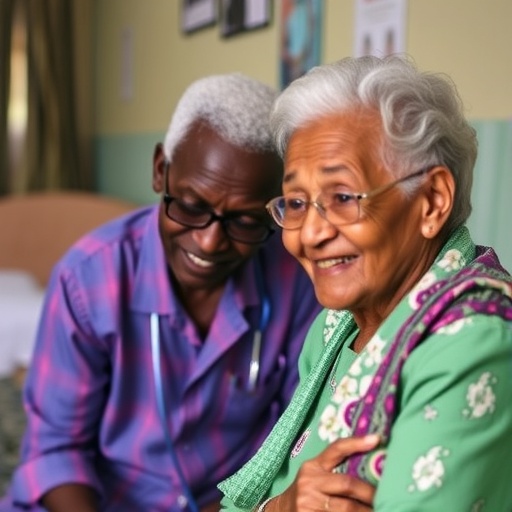
The Evolution of an Outpatient Psychogeriatric Clinic in Southwestern Nigeria: An 18-Year Overview
In recent years, there has been a significant shift in how mental health care is perceived and delivered, particularly in regions where cultural stigmas around psychiatric disorders still influence the accessibility of treatment. Specifically, the establishment and evolution of outpatient psychogeriatric clinics have emerged as a critical component in addressing mental health issues among the elderly population. This exploration looks closely at a clinic located in Southwestern Nigeria and provides an in-depth analysis of its 18-year journey toward becoming a beacon of hope and healing for the region’s senior citizens.
It is essential to understand the context in which such a clinic operates, considering Nigeria’s complex socio-cultural landscape. The elderly often face unique challenges related to mental health, ranging from dementia to severe depression and anxiety. In Nigeria, where traditional beliefs about aging and mental health prevail, there has historically been resistance to seeking psychiatric help. This undercurrent of stigma has created barriers that the psychogeriatric clinic aims to dismantle. As the clinic evolved, it adopted various strategies to promote understanding and alleviate the fears surrounding mental health treatment, leading to a gradual increase in patient engagement.
Patient profiles have significantly changed over the years, reflecting broader sociocultural transformations in Nigeria. Initially, the clinic primarily served a demographic comprising traditionally marginalized groups who were often the last to access mental health services. Over time, this service has seen a more diverse patient population, illustrating the effectiveness of outreach programs aimed at educating families and communities about mental health. This expanding reach underscores the clinic’s commitment to inclusivity and highlights its role as a community resource, playing an integral part in the public health framework.
One of the most noteworthy developments over the 18 years has been the incorporation of modern technological solutions into the clinic’s operational framework. Telepsychiatry has risen to prominence, allowing practitioners to bridge the gap between patients and available resources effectively. Many elderly patients, who may have difficulty traveling to the clinic, can now receive consultations and follow-up care remotely. This shift not only improves accessibility but also enhances the continuity of care that is vital for chronic mental health conditions. As the clinic adapts to technological advancements, it has become a model for how mental health services can evolve in response to the unique needs of a geriatric population.
A significant part of the clinic’s success can be attributed to its multidisciplinary approach. Professionals from various backgrounds collaborate to form comprehensive care teams, integrating perspectives from psychiatry, psychology, nursing, and social work. This model fosters a holistic view of patient care, ensuring that treatment plans are tailored to meet the physical, emotional, and social needs of each individual. By leveraging the strengths of different disciplines, the clinic has succeeded in creating a supportive environment that empowers patients through a multi-faceted approach to mental health.
Education plays a pivotal role in addressing the stigma surrounding mental health in Nigeria. The clinic has invested heavily in community outreach programs aimed at raising awareness of psychogeriatric issues. Workshops and informational sessions that elucidate the signs and symptoms of mental health conditions offer families valuable insights, thereby reducing misconceptions about mental illness. Such efforts have not only increased community engagement but have also led to a more willing acceptance of treatment options among the elderly. This gradual shift in public perception has proven essential for enhancing the clinic’s efficacy.
Despite the challenges posed by limited resources, the clinic has employed innovative solutions to provide quality care. Through partnerships with local organizations and governmental agencies, the clinic has been able to procure funding and additional resources. This collaboration is vital in a context where the demand for mental health services often exceeds available supply. Moreover, this model of resource-sharing fosters a sense of community ownership, ensuring that mental health remains a priority within the public discourse.
The evolution of the psychogeriatric clinic has also been marked by a continuous commitment to research and evidence-based practices. By documenting patient outcomes, treatment methodologies, and the general effectiveness of interventions, the clinic contributes to the growing body of literature on geriatric mental health. This emphasis on research ensures that care protocols remain aligned with best practices and that staff remains informed about the latest advancements in the field. The clinic’s research initiatives not only improve local practices but also have the potential to influence wider mental health care strategies within Nigeria and beyond.
As the clinic moves forward, the importance of sustainability cannot be overstated. Strategies for long-term viability must take into account factors such as evolving patient demographics and the changing landscape of mental health care. The clinic is actively exploring avenues to establish a sustainable model that can adapt to shifting needs while maintaining high standards of care. This commitment to sustainability will ensure that the clinic continues to serve as a vital resource for the elderly population in Southwestern Nigeria for years to come.
Furthermore, developing the clinic’s workforce represents a crucial element of its evolution. By investing in training and development programs for healthcare professionals, the clinic not only enhances the skills of its staff but also fosters a culture of compassion and understanding among caregivers. This nurturing environment proves beneficial not only for the staff but equally for the patients, as it promotes a community of care that prioritizes both professional development and patient satisfaction.
As mental health issues continue to rise among senior citizens globally, the lessons learned from this clinic’s journey are increasingly relevant. Its model demonstrates that a culturally sensitive, inclusive, and multi-disciplinary approach can yield positive outcomes for mental health treatment in geriatric populations. The experience further illustrates the need for comprehensive mental health policies that consider local cultural contexts and provide necessary resources and support.
In conclusion, the evolution of the outpatient psychogeriatric clinic in Southwestern Nigeria stands as a testament to the transformative power of dedicated mental health services. By adapting to the unique challenges posed by cultural stigma, limited resources, and the growing demand for care, the clinic not only provides essential services but also paves the way for future innovations in geriatric mental health care. The journey over the past 18 years exemplifies a collaborative effort to improve the lives of elderly patients and reflects a hopeful outlook for mental health treatment in Nigeria and similar settings around the world.
Subject of Research: Outpatient Psychogeriatric Clinic in Southwestern Nigeria
Article Title: The Evolution of an Outpatient Psychogeriatric Clinic in Southwestern Nigeria: an 18-Year Overview
Article References:
Elugbadebo, O., Oyinlola, O., Alonge, T. et al. The Evolution of an Outpatient Psychogeriatric Clinic in Southwestern Nigeria: an 18-Year Overview.
Ageing Int 50, 62 (2025). https://doi.org/10.1007/s12126-025-09642-8
Image Credits: AI Generated
DOI: 10.1007/s12126-025-09642-8
Keywords: Psychogeriatric clinic, mental health, elderly care, Nigeria, outpatient services, telepsychiatry, multidisciplinary approach, community outreach, mental health stigma


